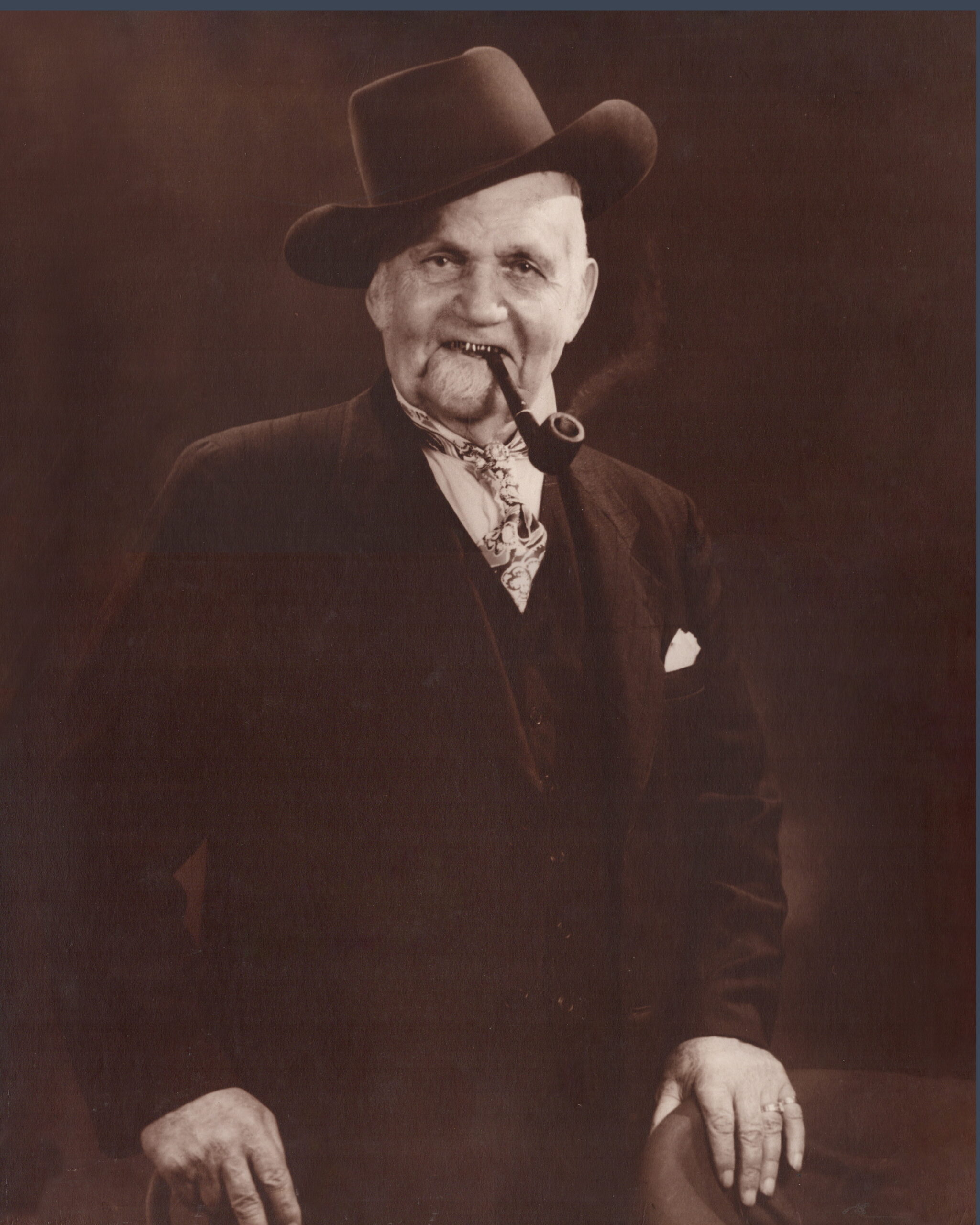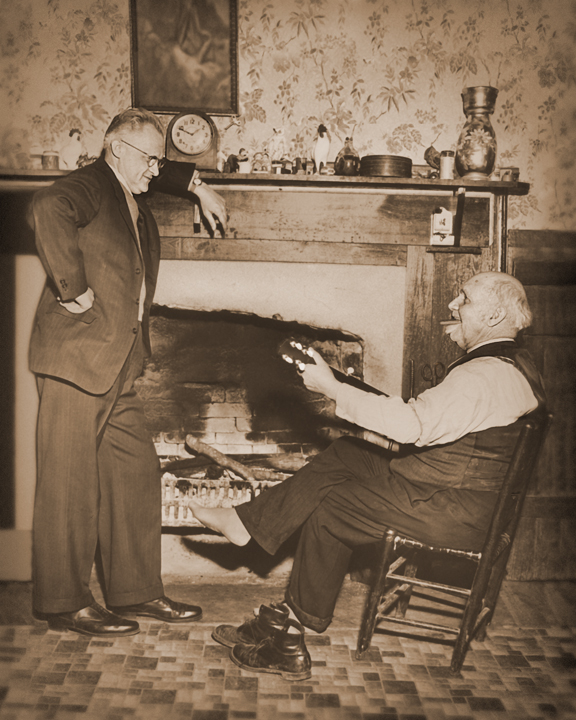
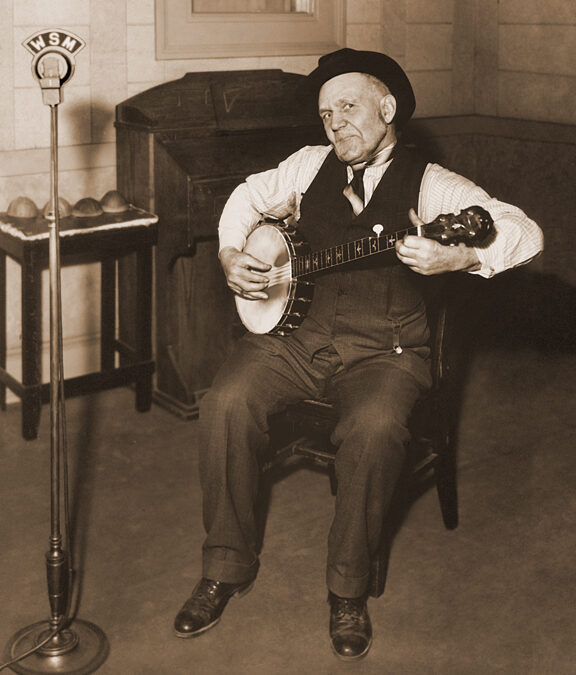
Uncle Dave Macon, born David Harrison Macon in 1870, is celebrated as one of the pioneers of American country music. Though he was born near Smartt Station, Tennessee, much of his adult life was rooted in the rural Kittrell Community east of Murfreesboro. There, among farms, country roads, churches, stores, and neighbors who knew one another well, Macon absorbed the sounds, stories, humor, and everyday rhythms that later became the heart of his music.
Before his musical career began, Uncle Dave made his living in that countryside by farming and operating a mule-and-wagon freight company between Murfreesboro and Woodbury. His line, known as the Macon Midway Mule and Mitchell Wagon Transportation Company, carried freight, produce, and supplies along the route. As he traveled from stop to stop, he sang, played banjo, swapped stories, and entertained the people he met, turning an ordinary workday into a kind of traveling performance. That experience helped shape the lively stage personality, comic timing, and old-time musical style that later drew audiences to him.
When trucks began replacing mule-drawn freight wagons, Macon’s transportation business came to an end, but the change opened the way for him to pursue music more fully. By the early 1920s, his vibrant banjo picking, humorous storytelling, and unforgettable stage presence had made him a popular performer. In 1925, Uncle Dave became one of the original members of the Grand Ole Opry and soon emerged as the show’s first superstar. His music bridged the gap between rural folk traditions and the new world of radio entertainment, influencing countless artists who followed in his footsteps. With classic songs such as “Keep My Skillet Good and Greasy” and “Rock About My Saro Jane,” he left an indelible mark on American music history.
Uncle Dave Macon performed well into his seventies, charming listeners with his wit, wisdom, and warm-hearted spirit. He remains a beloved figure in the world of country music, remembered for his joyful banjo tunes and the enduring legacy he left behind at the Grand Ole Opry.